Eco-Friendly Waste Management Benefits
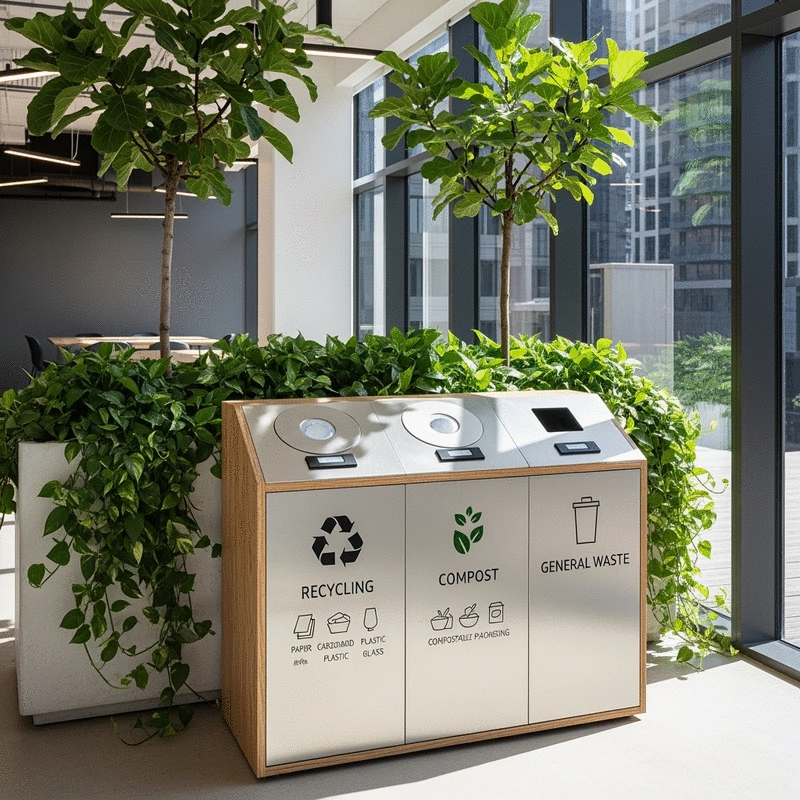
In a world where sustainable practices are becoming imperative, businesses must adapt to eco-friendly waste management to remain competitive. The journey towards greener operations starts with understanding waste management principles that benefit both the environment and your business.
What You Will Learn
- Eco-friendly waste management involves waste reduction, recycling, composting, and responsible disposal.
- Implementing sustainable practices can enhance brand loyalty and improve customer engagement.
- Adopting circular economy principles helps keep resources in use for longer and reduces landfill waste.
- Engaging employees in corporate social responsibility initiatives strengthens team commitment to sustainability.
- Regularly assessing and adapting waste management practices can lead to significant cost savings and operational efficiency.
The Pillars of Eco-Friendly Waste Management for Melbourne Businesses
This visual highlights the core components of eco-friendly waste management and the key principles of a circular economy, demonstrating how businesses can integrate sustainable practices. For more insights into practical applications, consider exploring eco-friendly waste disposal in Melbourne.
Core Components of Eco-Friendly Waste Management
- ✓ Waste Reduction: Minimize waste produced from the start.
- ✓ Recycling: Process materials for reuse.
- ✓ Composting: Convert organic waste into valuable compost.
- ✓ Responsible Disposal: Environmentally safe waste disposal.
Key Principles of the Circular Economy
- ● Design for Longevity: Create durable, repairable products.
- ● Recycle and Reuse: Repurpose materials to avoid landfills.
- ● Resource Recovery: Extract value from waste for new products.
- ● Engagement & Collaboration: Work with stakeholders for efficiency.
Understanding Eco-Friendly Waste Management for Melbourne Businesses
At Skip Bins Melbourne, we believe that understanding eco-friendly waste management is critical for any business looking to thrive in today’s landscape. But what does eco-friendly waste management really mean? It’s more than just sorting your rubbish; it involves adopting practices that minimize harm to the environment while maximizing efficiency. This approach not only benefits the planet but also enhances your operational effectiveness.

Eco-friendly waste management is all about making choices that contribute to a cleaner, greener Melbourne. By embracing sustainable practices, businesses can significantly reduce their carbon footprint and engage with their community positively. It’s a win-win situation that fosters a culture of responsibility and care among employees and customers alike!
What Does Eco-Friendly Waste Management Mean?
Simply put, eco-friendly waste management means using strategies that minimize waste and promote recycling and recovery. Here are some key components:
- Waste Reduction: Implementing practices to reduce the amount of waste produced from the start.
- Recycling: Sorting and processing materials to be reused rather than thrown away.
- Composting: Converting organic waste into valuable compost instead of sending it to landfills.
- Responsible Disposal: Ensuring that waste is disposed of in a manner that protects the environment.
By understanding these components, businesses can create a more sustainable model that aligns with their goals and values. This isn’t just about compliance; it’s about taking charge of how we manage our waste!
The Importance of Sustainable Practices in Today's Business Landscape
Why is sustainability so important for businesses today? The answer lies in both consumer demand and regulatory pressure. Consumers are becoming increasingly aware of environmental issues and are opting for brands that take sustainability seriously. Here’s why implementing sustainable practices matters:
- Brand Loyalty: Customers prefer to support businesses that demonstrate a commitment to the environment.
- Cost Efficiency: Reducing waste can lead to significant savings on disposal costs.
- Regulatory Compliance: Staying ahead of environmental regulations helps avoid fines and penalties.
At Skip Bins Melbourne, we see firsthand how making eco-conscious choices not only helps the environment but also boosts a company's reputation and profitability. For businesses looking to optimize their waste management, learning about smart ways to cut skip costs can be highly beneficial.
Exploring Circular Economy Principles in Waste Management
The circular economy is a transformative approach that aims to keep resources in use for as long as possible. By shifting away from traditional linear consumption models, businesses can embrace sustainable waste management. Here are some key principles of the circular economy:
- Design for Longevity: Creating products that are durable and easy to repair.
- Recycle and Reuse: Ensuring materials can be recycled or repurposed rather than ending up in landfills.
- Resource Recovery: Extracting valuable materials from waste to create new products.
- Engagement and Collaboration: Working with other businesses and stakeholders to maximize resource efficiency.
Embracing circular economy principles at your business not only conserves resources but also fosters innovation. By thinking creatively about how we manage waste, we can contribute to a more sustainable future for Melbourne!
We Want to Hear From You!
What challenges have you faced in implementing eco-friendly waste management practices in your business? Share your thoughts below:
Frequently Asked Questions About Eco-Friendly Waste Management
What is eco-friendly waste management?
Eco-friendly waste management involves adopting practices that minimize harm to the environment, such as waste reduction, recycling, composting, and responsible disposal, to maximize efficiency and reduce environmental impact.
Why is sustainable waste management important for businesses in Melbourne?
Sustainable waste management is crucial for businesses due to increasing consumer demand for eco-conscious brands, potential cost savings from reduced waste, and the need to comply with environmental regulations. It also enhances brand loyalty and reputation.
What are the core components of eco-friendly waste management?
The core components include waste reduction (minimizing waste at the source), recycling (processing materials for reuse), composting (converting organic waste into valuable soil amendments), and responsible disposal (ensuring waste is disposed of safely).
How do circular economy principles apply to waste management?
Circular economy principles involve designing products for longevity, promoting recycling and reuse of materials, recovering valuable resources from waste, and fostering collaboration among stakeholders to keep resources in use for as long as possible, thereby minimizing waste.
How can businesses engage employees in sustainability initiatives?
Businesses can engage employees by organizing workshops on waste reduction, encouraging participation in community clean-up events, setting up reward systems for sustainability efforts, and soliciting feedback on improving waste management practices within the company. This fosters a culture of shared responsibility.
Encouraging Action Towards Sustainable Business Practices
As we navigate the challenges of waste management, taking action towards sustainability is more important than ever for Melbourne businesses. Implementing eco-friendly waste management practices is not just a trend; it’s a necessary step towards a healthier planet and a more profitable business. At Skip Bins Melbourne, we’re dedicated to providing the resources and support needed to get you started on this journey!
So, how can you begin your eco-friendly waste management practices? Here are some actionable steps:
- Assess your current waste management practices and identify areas for improvement.
- Research eco-friendly waste management options available in Melbourne.
- Set clear sustainability goals for your business and communicate them to your team.
- Monitor and evaluate your progress regularly to ensure continuous improvement.
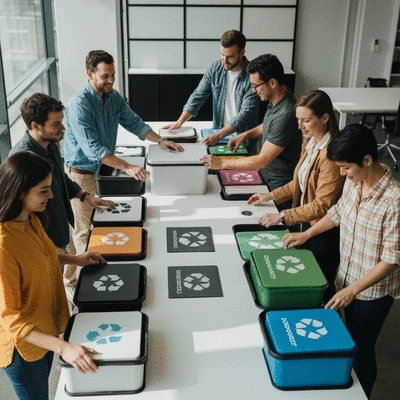
Starting with these steps can pave the way for significant changes in how your business handles waste. It’s all about making small, meaningful adjustments that lead to a larger impact over time!
Finding Local Waste Management Companies for Consultation
When it comes to implementing eco-friendly waste practices, finding the right local waste management company is key. You want a partner who understands your needs and can provide tailored solutions that fit your business model. Skip Bins Melbourne is here to help! We connect you with reliable waste management services that prioritize sustainability.
To find the perfect waste management partner in Melbourne, consider these factors:
- Look for companies that emphasize recycling and responsible waste disposal.
- Evaluate their customer reviews and reputation in the community.
- Check if they offer a variety of waste management services, including skip bin hire and composting options.
- Ask about their waste diversion rates and commitment to sustainability.
Engaging with a knowledgeable local provider can significantly enhance your waste management strategy. Plus, it fosters community support and collaboration!
Engaging Employees in Corporate Social Responsibility Initiatives
A vital aspect of successful eco-friendly waste management is getting your employees involved. When your team feels engaged and informed about sustainability initiatives, they’re more likely to contribute positively to your efforts. Let’s make it a team effort!
Here are some ways to actively engage your employees in corporate social responsibility (CSR) initiatives:
- Organize workshops to educate staff about waste reduction and recycling practices.
- Encourage participation in community clean-up events or local recycling drives.
- Set up a reward system for departments that excel in sustainability efforts.
- Solicit feedback from employees on how to improve waste management practices within the company.
By fostering a culture of sustainability, your business not only reduces waste but also builds a stronger, more committed team. It’s a win-win situation! You can also find useful recycling tips for Melbourne residents that can be applied in the workplace.
Recap of Key Points
Here is a quick recap of the important points discussed in the article:
- Waste Reduction: Implement practices to minimize waste production from the outset.
- Recycling and Composting: Sort and process materials for reuse and convert organic waste into compost.
- Brand Loyalty: Demonstrating a commitment to sustainability fosters customer loyalty.
- Cost Efficiency: Reducing waste can lead to significant savings on disposal costs.
- Engagement: Actively involve employees in sustainability initiatives to build a culture of responsibility.
- Collaboration: Partner with local waste management companies to enhance eco-friendly practices.

Samantha Greaves
Samantha Greaves is an expert in waste management solutions, dedicated to helping residents and businesses in Melbourne find efficient and eco-friendly ways to manage their waste. With a passion for sustainability and a wealth of knowledge in the rubbish removal industry, Samantha provides valuable insights and practical advice on skip bin services, recycling, and responsible disposal methods.
Popular Posts
Garage Clear-Out Scope: What to Tell a Skip Bin Provider
![Empty green skip bin on a suburban driveway beside an open garage with storage shelves and a red motorcycle parked separately]() A garage clear-out scope describes the items you want removed, the arrangements already made and the
A garage clear-out scope describes the items you want removed, the arrangements already made and the
 A garage clear-out scope describes the items you want removed, the arrangements already made and the
How to Manage Waste Removal During a Commercial Demolition in Melbourne
![]() Waste planning should start before the first wall comes down. A well staged commercial demolition me
Waste planning should start before the first wall comes down. A well staged commercial demolition me
 Waste planning should start before the first wall comes down. A well staged commercial demolition me
Demolition Melbourne: Professional & Reliable Services
![]() Preparing a block of land for a new build or major renovation is a significant step. It requires a c
Preparing a block of land for a new build or major renovation is a significant step. It requires a c
 Preparing a block of land for a new build or major renovation is a significant step. It requires a c
Sustainable Waste Solutions in Melbourne
![Eco-Friendly Waste Disposal Options in Melbourne: A Guide to Sustainable Skip Bin Solutions]() What if your waste disposal choices could significantly impact the environment? In a city like Melbo
What if your waste disposal choices could significantly impact the environment? In a city like Melbo
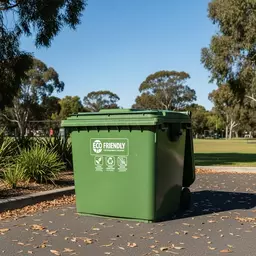 What if your waste disposal choices could significantly impact the environment? In a city like Melbo
