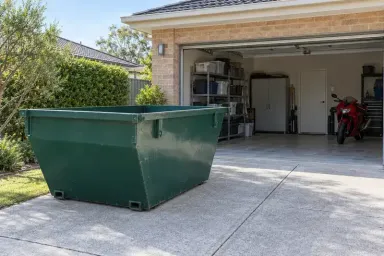
2-3 cubic meters Mini Skip Bins
Ideal for small clean-ups, garden waste, minor renovations, spring cleaning, garage clean-outs.
Choosing the right skip bin size can transform your waste management process. But how do you determine the best option for your needs? Let’s break down the key insights from our article on skip bin sizes in Melbourne.
Matching your project needs with the appropriate skip bin size is crucial for efficient and environmentally friendly waste disposal. The visual below details common skip bin sizes, their typical uses, and key considerations for selection. For more detailed guidance, check out our article on choosing the right skip bin size.
Ideal for small clean-ups, garden waste, minor renovations, spring cleaning, garage clean-outs.
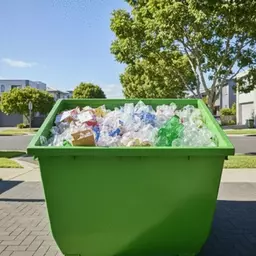
Great for home decluttering, small construction projects, bathroom remodels, kitchen renovations, moving house.
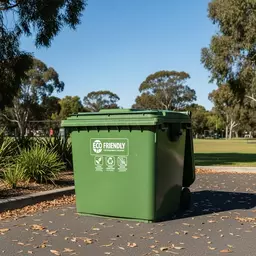
Perfect for larger renovations, commercial waste removal, major construction sites, estate clearances.
Estimate how much rubbish you anticipate disposing of to avoid overfilling or ordering too large a bin.
Different materials (soil, green waste, mixed) have varying densities and may require specific bin types or sizes.
Longer projects may benefit from larger bins to accommodate continuous waste accumulation.
When it comes to managing waste in Melbourne, understanding skip bin sizes is vital for effective recycling. Choosing the right size not only ensures that you can fit all your rubbish but also maximizes efficiency in disposal. At Skip Bins Melbourne, we're committed to helping you navigate through the options available, so let's dive into the details!
In Melbourne, skip bins come in various sizes to accommodate different needs. Whether you're clearing out your home or managing a construction site, knowing your options can make the process smoother. Let’s explore the most common sizes and how they fit into various projects. For a beginner's guide to skip bin sizes, you might find this resource helpful: Skip Bin Sizes: A Beginner's Guide.
Skip bins typically range from mini to large sizes, catering to various waste management needs. Here’s a quick overview of the different sizes you can find:
With the right size, you can avoid unnecessary trips to the dump and save on costs. Remember, selecting a bin that fits your project is key to a stress-free disposal experience!
The variety in skip bin sizes is designed to match diverse project demands. Mini skip bins are perfect for smaller jobs, where space is limited, and you don’t have too much waste. Medium sizes cater well to household renovations, while large bins are suited for major construction works. This flexibility in sizes means you can always find a solution that fits your needs without wasteful overage!
Each skip bin size serves distinct purposes:
By aligning your project needs with the appropriate skip bin size, you can ensure that your rubbish removal process is efficient and cost-effective. It’s all about making informed decisions!
Choosing the right skip bin size is essential, but how do you know which one is the best for your specific project? The key is to consider the type of job you're undertaking. Whether it’s a home clean-up or a major renovation, I’ll guide you through the selection process.
At Skip Bins Melbourne, we encourage you to think ahead about your waste management needs. It’s not just about the bin; it’s about the entire disposal strategy!
For home clean-ups, I often recommend starting with a mini or medium skip bin. They’re perfect for tackling clutter without overwhelming your space. If you’re doing a full home renovation, a larger bin makes sense to avoid multiple trips, saving both time and money.
When it comes to renovations, the optimal bin size can depend on the scale of your project. For small to medium renovations, holding 4-6 cubic meters might suffice, but larger projects should lean toward 7-12 cubic meters to handle excess waste effectively.
Different waste types can affect your bin selection:
Understanding the nature of your waste will guide you in making the right choices for your skip bin selection.
Finally, let's talk about volume capacity. It’s important to recognize that not all materials weigh the same. For instance, soil and concrete take up less space but are substantially heavier. Green waste, on the other hand, may occupy more space while being lighter. So, when selecting your skip bin, always keep in mind the volume and weight of the materials you’ll be disposing of! To learn more about managing costs, view our guide on smart ways to cut skip costs.
With these insights, you’re well on your way to selecting the perfect skip bin size for your project! Remember, at Skip Bins Melbourne, we’re here to assist you every step of the way.
Common skip bin sizes range from mini (2-3 cubic meters) for small clean-ups, medium (4-6 cubic meters) for home decluttering, to large (7-12 cubic meters) for major renovations or commercial waste removal.
To choose the right size, assess your waste volume, consider the type of waste (e.g., soil, green waste, mixed materials), and factor in the project duration. This will help you select a bin that avoids overfilling and unnecessary costs.
Yes, different waste types significantly affect bin selection. Heavy materials like soil and construction debris require bins with greater capacity and durability, while lighter green waste might allow for a smaller bin unless the volume is substantial.
Choosing the correct skip bin size promotes efficient recycling, reduces the amount of waste sent to landfills, lowers your carbon footprint, and conserves natural resources. It ensures that waste is disposed of responsibly and processed appropriately.
Mini skip bins (2-3 cubic meters) are ideal for small clean-ups such as garden waste, minor home renovations, spring cleaning, or clearing out a garage.
Have you recently tackled a waste management project? What skip bin size did you choose, and how did it impact your experience? Share your thoughts below:
When it comes to waste management, the choice of skip bin size plays a pivotal role in minimizing our environmental impact. By selecting the appropriate bin, we not only streamline our waste disposal but also contribute to a greener Melbourne. Let’s explore the tangible benefits of making informed skip bin choices!
Choosing the right skip bin allows us to engage in efficient recycling, which can significantly reduce our carbon footprint. Every bit of waste that is recycled counts towards protecting our planet and promoting sustainability.
Every Melbourne resident can do their part to help the environment. It begins with understanding how our choices affect waste management. Here are some key benefits of selecting the right skip bin:
By focusing on these benefits, we can drive home the importance of choosing the right bin for our waste management needs. At Skip Bins Melbourne, we aim to provide insights that empower you to make responsible choices that benefit both you and the environment.
Did you know that recycling can significantly lower your household's carbon footprint? Every item that gets recycled is one less item that contributes to pollution and waste. It’s like a win-win for the environment and our community!
For instance, recycling just one ton of paper can save 17 trees, reduce emissions, and conserve energy. By choosing the right size skip bin, we enable local recycling facilities to operate more effectively. So next time you’re cleaning up, think about how your choices make a difference!
Using the appropriate skip bin size is critical for maximizing recycling efforts. When we opt for a bin that is too small, we risk overfilling it, leading to waste that ends up in landfills rather than being recycled. This not only wastes resources but also impacts our environment negatively.
At Skip Bins Melbourne, we encourage all our clients to assess their waste before deciding on a bin size. A well-planned approach can help in effectively diverting waste from landfills. Remember, every piece of waste you recycle contributes to a cleaner, greener Melbourne!
Understanding the environmental impact of our waste management practices is crucial. Each skip bin not only helps with immediate disposal but also plays a role in the larger picture of sustainability. Here are some factors we should always consider:
By being mindful of these factors, we can collectively create a positive environmental impact. Let’s keep Melbourne green, one skip bin at a time! For more information on sustainable practices, consider reading about eco-friendly waste management benefits.
Here is a quick recap of the important points discussed in the article:
Samantha Greaves is an expert in waste management solutions, dedicated to helping residents and businesses in Melbourne find efficient and eco-friendly ways to manage their waste. With a passion for sustainability and a wealth of knowledge in the rubbish removal industry, Samantha provides valuable insights and practical advice on skip bin services, recycling, and responsible disposal methods.