Skip Bin Size Comparisons
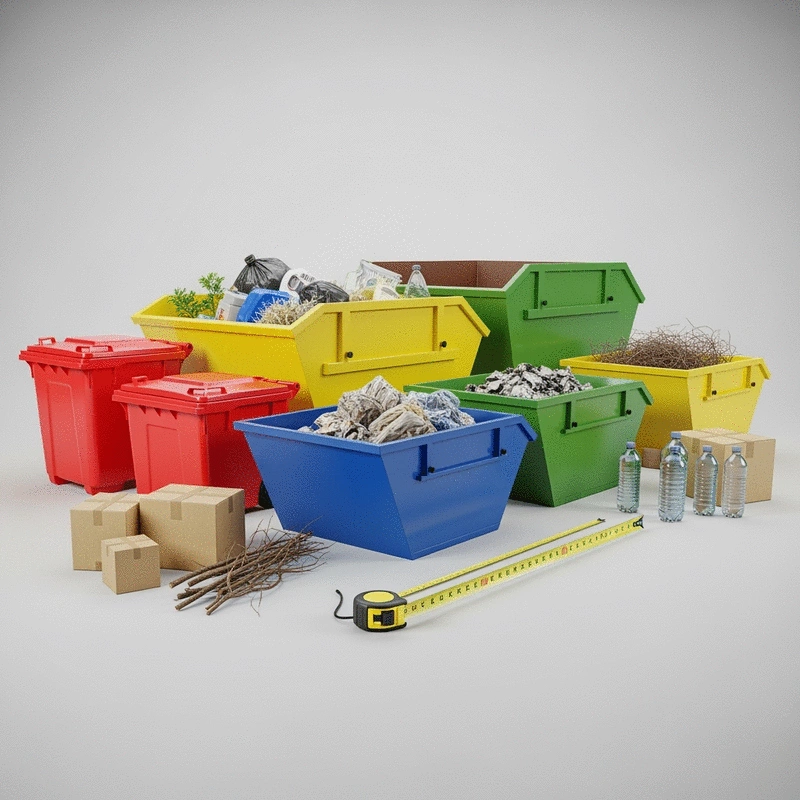
Cubic meters to wheelie bins equivalent.
2 Cubic Meters
~ 8 Wheelie Bins
4 Cubic Meters
~ 16 Wheelie Bins
6 Cubic Meters
~ 24 Wheelie Bins
Have you ever wondered how choosing the right skip bin size can transform your waste removal experience? Selecting the correct size not only saves you money but also ensures that your project runs seamlessly. Let’s dive into the essential insights that can help you make informed decisions!
Understanding the various skip bin sizes and their ideal applications ensures efficient and cost-effective waste management for any project. Below is a comparison to help you choose the right bin.
Cubic meters to wheelie bins equivalent.
~ 8 Wheelie Bins
~ 16 Wheelie Bins
~ 24 Wheelie Bins
Match the bin to your project for optimal efficiency.
Choosing the right skip bin size is crucial for effective waste removal. Why is this important? Well, selecting the correct size not only helps you save money but also ensures that your project runs smoothly. An appropriately sized bin can prevent overflows and extra trips, making your waste management process much more efficient!
When you opt for a size that fits your needs, you're not just clearing out rubbish; you're optimizing your project. Trust me, I’ve seen too many clients end up with either too much waste for a small bin or too little for a large one. So, let's explore how to navigate these selections together!
Understanding the significance of skip bin sizes can make a world of difference. Here are a few reasons why:
Choosing wisely from the start means less hassle later! Remember, the right size makes waste disposal a breeze.
Skip bins are measured in cubic meters, which is essential for understanding how much waste you can actually fit in them. For example, a 2 cubic meter skip bin can hold the equivalent of about 8 wheelie bins full of rubbish. This measurement allows you to visualize the volume of waste more clearly, as highlighted by local council guidelines on choosing the right bin size.
To help further, here’s a quick comparison of waste volume equivalents:
Understanding these measurements ensures you choose the right bin for your needs. It can save you time, money, and a whole lot of stress!
When it comes to skip bins, they come in various sizes tailored for different needs. Here’s a quick overview of common sizes:
Each size has its specific applications. Identifying which is best for your project can make a big difference in how smoothly everything goes. And if you're ever unsure, don’t hesitate to reach out to us at Skip Bins Melbourne for personalized assistance!
For common household projects like spring cleaning or decluttering, I often recommend a mini skip bin. It’s just the right size for disposing of unwanted items without taking up too much space in your yard.
By selecting the correct size, you can efficiently manage your waste without breaking the bank!
When embarking on a renovation project, it's vital to match the skip bin size to the scope of work. Larger renovations often require larger bins to accommodate the increased volume of debris.
Taking these factors into account ensures a smoother cleanup process. You’ll thank yourself later!
For garden clean-ups, you’ll want to think about the type and amount of green waste you'll be dealing with. If you're just clearing out a few shrubs, a mini skip may suffice.
Choosing the right size not only facilitates proper disposal but also helps in keeping your garden space tidy!
For construction sites, it’s essential to choose skip bins that can handle heavy debris. The right capacity can save you from unnecessary headaches and additional costs down the line.
By being mindful of these factors, you can ensure that your construction projects remain efficient and compliant with local regulations!
When selecting a skip bin, always consider the type of waste you'll be disposing of. For mixed waste, a larger bin may be necessary, but if you're mainly disposing of recyclable materials, inquire about specialized bins that can maximize recycling efforts. This not only supports sustainability but can also save you money on disposal fees!
When it comes to skip bin usage, understanding the legal and environmental aspects is crucial for both compliance and sustainability. At Skip Bins Melbourne, we believe that being informed about regulations can save you time and money while ensuring that your waste is handled responsibly. Let’s explore the key considerations you need to keep in mind.
First things first, it’s important to navigate the local regulations for skip bin placement. Each municipality may have specific rules about where you can place a skip bin, especially if it's on a public road or footpath. Failing to comply can lead to fines or delays in your project. Make sure to check with your local council or skip bin provider to understand these guidelines!
Understanding local regulations is essential for a smooth skip bin hire experience. For example, in areas like the Inner West of Sydney, specific guidelines for skip bin placement and management are in place to ensure public safety and access. Here are some common regulations to consider:
Being aware of these regulations helps you avoid unnecessary headaches. Consult with your skip bin hire company about any requirements specific to your area—our team at Skip Bins Melbourne is always here to help!
In addition to placement regulations, staying informed about waste disposal regulations is vital. Depending on the type of waste you're disposing of, different rules may apply. For instance, cities like New York have clear rules regarding what can and cannot be placed in bins, impacting how you manage various waste streams. Here are some key points:
Being compliant not only helps in avoiding fines but also supports the community's efforts in maintaining a clean environment. Always ask your skip bin service provider about the specific regulations relevant to your waste type!
The environmental impact of waste disposal cannot be overlooked. Choosing the right disposal methods can significantly reduce your footprint. Here's how:
At Skip Bins Melbourne, we advocate for responsible waste disposal practices. By focusing on recycling, we can help divert waste from landfills and protect our environment. Every small effort counts!
Using skip bins doesn’t have to harm the environment. In fact, with the right approach, they can play a significant role in eco-friendly waste management. Here are some strategies to consider:
By embracing eco-friendly solutions and being proactive in your waste management choices, you can help build a cleaner, greener Melbourne. It’s about making informed decisions that benefit both you and the planet!
Choosing the correct skip bin size is crucial for cost savings, project efficiency, and environmental responsibility. It prevents you from paying for unnecessary space or incurring extra fees for overflow, streamlines your waste disposal, and helps minimize landfill impact.
Skip bin sizes are measured in cubic meters (m³). This measurement indicates the volume of waste the bin can hold. For example, a 2 cubic meter skip bin can hold approximately 8 standard wheelie bins worth of rubbish.
For small household clean-ups or decluttering, a Mini Skip (2-3 cubic meters) is often sufficient. For larger projects like moving homes, a Standard Skip (4-6 cubic meters) might be more appropriate.
Yes, often a permit is required if you plan to place a skip bin on public property, such as a road or footpath. It's essential to check with your local council or skip bin provider for specific regulations in your area to avoid fines.
Commonly restricted items include hazardous waste (like asbestos, chemicals), liquids, food waste, tires, and electronic waste. Some regulations also apply to mattresses. Always confirm with your skip bin service provider about accepted waste types to ensure compliance.
To ensure eco-friendly skip bin usage, opt for providers that prioritize recycling and material recovery. Separate recyclable items from general waste, and consider composting green waste. By making informed choices, you contribute to diverting waste from landfills and protecting the environment.
Here is a quick recap of the important points discussed in the article:
Samantha Greaves is an expert in waste management solutions, dedicated to helping residents and businesses in Melbourne find efficient and eco-friendly ways to manage their waste. With a passion for sustainability and a wealth of knowledge in the rubbish removal industry, Samantha provides valuable insights and practical advice on skip bin services, recycling, and responsible disposal methods.