Eco-Friendly Waste Disposal in Melbourne
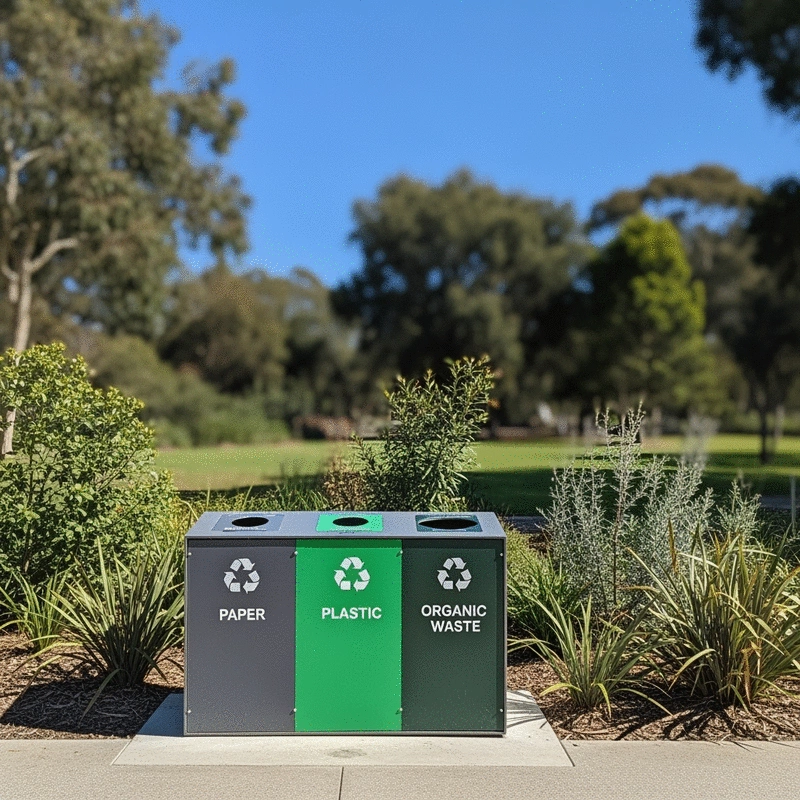
Every small action counts when it comes to creating a sustainable future. As residents of Melbourne, understanding eco-friendly waste disposal practices can significantly contribute to a cleaner environment. Ready to make a difference? Here are the key takeaways from this enlightening article on sustainable waste management.
What You Will Learn
- Sustainable waste management reduces landfill waste, conserves natural resources, and enhances community health.
- Recycling practices in Melbourne include accepted materials like plastics, paper, and glass to help divert waste from landfills.
- Composting at home transforms organic waste into valuable soil, supporting local gardening while reducing landfill contributions.
- Upcycling encourages creativity, allowing residents to repurpose materials into useful or decorative items, reducing overall waste.
- The circular economy emphasizes resource recovery and community involvement, promoting sustainable practices among residents and businesses.
- Practical tips for effective household waste management include sorting waste, using appropriate bins, and keeping them clean.
- Community engagement is key in sustainability; participating in local initiatives can strengthen community bonds and increase awareness.
- Proper e-waste recycling is essential to mitigate environmental harm, with local resources available for safe disposal of electronic items.
Eco-Friendly Waste Disposal Methods in Melbourne
Melbourne offers several key eco-friendly waste disposal methods, each playing a vital role in reducing landfill waste and fostering a sustainable community. For those looking to manage larger waste volumes efficiently, understanding skip bin sizes can be particularly helpful for residential or commercial projects.
Recycling Practices
- Plastics (types 1 & 2)
- Paper & cardboard
- Glass bottles & jars
Diverts materials from landfills, conserves natural resources.
Composting Strategy
- Fruit & vegetable scraps
- Coffee grounds, eggshells
- Garden waste
Reduces organic waste, enriches soil, supports local initiatives.
Upcycling: Value Creation
- Repurpose old items
- DIY projects
- Community workshops
Gives new life to materials, fosters creativity, reduces waste.
E-Waste Recycling
- Protects environment from toxins
- Utilize local collection points
- Professional services available
Critical for preventing pollution and resource conservation.
Understanding Eco-Friendly Waste Disposal in Melbourne
As residents of Melbourne, we share a bustling city filled with vibrant life and beautiful landscapes. However, with growth comes the critical issue of waste management. This is where sustainable waste management becomes vital—not just for reducing landfill waste, but for promoting the overall health of our environment. By understanding eco-friendly waste disposal, we can all contribute to a cleaner, greener Melbourne.
Sustainable waste management is essential for combating pollution and conserving resources. It encourages practices like recycling, composting, and upcycling. Each small action contributes towards a larger goal: creating a waste-conscious community that prioritizes the health of our planet.
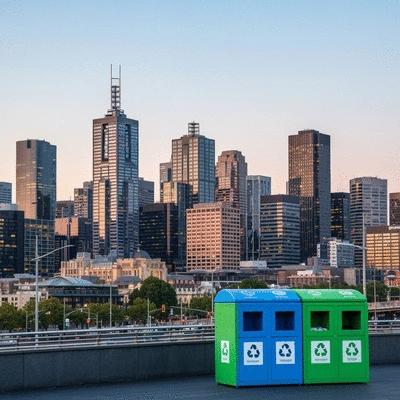
The Importance of Sustainable Waste Management
In Melbourne, sustainable waste management plays a crucial role in our community. With increasing urbanization, the need for responsible waste disposal has never been greater. We need to reduce the amount of rubbish that ends up in landfills, which not only takes up valuable space but also emits harmful greenhouse gases.
- Reduces landfill waste: Implementing eco-friendly practices helps divert waste from landfills.
- Conserves resources: Recycling materials means we use fewer natural resources.
- Enhances community health: Cleaner environments lead to healthier communities.
By focusing on these sustainable practices, we can work together to create a more environmentally friendly Melbourne. Every effort counts, and it’s essential that we all play a part! For more detailed guidance on what and how to recycle, refer to our recycling tips for Melbourne residents.
Key Eco-Friendly Waste Disposal Methods
Now that we understand the importance of sustainable waste management, let's explore the various eco-friendly disposal methods available to us in Melbourne. These methods not only lessen our environmental impact but also help foster a culture of recycling and sustainability.
Recycling Practices in Melbourne
Recycling is one of the most effective ways to manage waste. In Melbourne, we have a robust recycling system that includes various facilities and services to help residents dispose of their recyclables correctly. Common materials accepted for recycling include:
- Plastics (types 1 and 2)
- Paper and cardboard
- Glass bottles and jars
By understanding what can be recycled, we can ensure that more materials are diverted from landfill, aiding in the conservation of our natural resources. It's all about making informed decisions!
Composting as a Waste Reduction Strategy
Composting is another fantastic way to reduce waste, especially organic matter. By composting at home, we can turn kitchen scraps and garden waste into rich soil, which not only reduces the volume of waste we send to landfills but also nourishes our gardens.
- Types of compostable materials: Fruit and vegetable scraps, coffee grounds, eggshells, and yard waste.
- Local composting programs: Melbourne offers various community composting initiatives where residents can drop off their organic waste.
Participating in composting not only helps the environment but also supports local initiatives aimed at improving community sustainability. It's a win-win!
Upcycling: Turning Waste into Value
Have you ever thought about giving new life to old items? Upcycling is a creative way to repurpose materials that would otherwise go to waste. From turning glass jars into storage containers to transforming old furniture into trendy decor, the possibilities are endless!
- DIY projects: Look for local workshops that teach upcycling techniques.
- Local resources: Many community groups and online platforms share upcycling ideas and resources.
Encouraging creative reuse not only reduces waste but also fosters community spirit and innovation. Why not give it a try?
Understanding the Circular Economy and Its Impact
The concept of a circular economy supports sustainable waste disposal by focusing on resource recovery and minimizing waste. In Melbourne, this model encourages businesses and residents to think beyond traditional waste disposal methods.
- Resource recovery: Maximizing the use of materials through recycling and reuse.
- Community involvement: Engaging locals in sustainable practices and awareness campaigns.
Understanding and participating in the circular economy can help us contribute to a sustainable future while also enjoying the benefits of a healthier environment. Together, we can shift toward a more sustainable Melbourne!
Interactive Poll: Your Thoughts on Waste Management
How do you currently manage waste in your household? We would love to hear your strategies and tips!
Taking Action Towards Sustainable Living
Practical Tips for Effective Household Waste Management
Are you looking for ways to enhance your waste management at home? With a little effort, you can make a big difference! Here are some practical tips to help you prepare your waste for collection:
- Sort your waste: Separate recyclables from general waste. This helps reduce landfill and maximizes recycling efforts.
- Use the right bins: Familiarize yourself with Melbourne's waste collection system. Make sure to use the correct bin for each type of waste.
- Keep your bins clean: Regularly clean your bins to prevent odors and pests. A clean bin encourages good habits!
- Find local drop-off points: If you have items that cannot go in the bin, locate nearby drop-off points for safe disposal.
By following these tips, you're taking a significant step towards a more sustainable household. Every bit helps, and you’ll feel good knowing you’re contributing to a greener Melbourne!
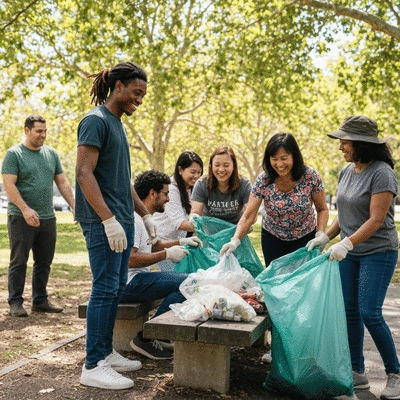
Encouraging Community Involvement in Sustainable Practices
Getting involved in your community is a fantastic way to promote sustainability! Here are some suggestions on how you can engage with local initiatives:
- Join community recycling hubs: These spaces allow residents to drop off recyclables and learn more about proper waste disposal.
- Participate in swap events: Organize or attend swap days where you can exchange items with others instead of throwing them away.
- Volunteer with local organizations: Helping out at clean-up events or sustainability programs can boost community efforts.
- Spread the word: Share your knowledge about eco-friendly practices with friends and family!
By actively participating, you not only help the environment but also strengthen community bonds—it's a win-win!
Understanding E-Waste Recycling and Its Importance
Have old electronics lying around? Proper e-waste disposal is crucial for protecting our environment! Here's why it matters and how you can recycle your electronic items responsibly:
- Protects the environment: E-waste can release harmful toxins if disposed of improperly. Recycling keeps these materials out of landfills.
- Local resources: Utilize Melbourne’s e-waste collection points. Many areas offer special collection days or permanent drop-off locations.
- Consider professional services: Look for companies like eco-friendly skip bins in Melbourne, that provide e-waste recycling options as part of their services.
- Educate others: Share information about e-waste recycling with your community to encourage others to join!
By recycling e-waste responsibly, you play an integral role in reducing pollution and conserving resources. Every small action counts!
Frequently Asked Questions (FAQs)
- What are the primary benefits of sustainable waste management?
- Sustainable waste management reduces landfill waste, conserves natural resources, and improves community health by minimizing pollution and creating cleaner environments.
- What types of materials can I recycle in Melbourne?
- In Melbourne, commonly accepted recyclable materials include plastics (types 1 & 2), paper, cardboard, and glass bottles and jars. Always check local guidelines for specific acceptance criteria.
- How does composting help reduce waste?
- Composting transforms organic waste like food scraps and garden waste into nutrient-rich soil. This significantly reduces the amount of organic material sent to landfills, where it would otherwise produce harmful greenhouse gases.
- What is upcycling, and why is it important?
- Upcycling involves repurposing old or discarded items into new, useful, or decorative products. It's important because it gives materials a second life, reduces the need for new production, and minimizes waste sent to landfills, fostering creativity and resourcefulness.
- Why is proper e-waste recycling crucial?
- Proper e-waste recycling is crucial because electronic items often contain hazardous materials that can harm the environment if disposed of in landfills. Recycling e-waste prevents pollution, recovers valuable materials, and conserves resources.
Recap of Key Points
Here is a quick recap of the important points discussed in the article:
- Sustainable waste management is essential for reducing landfill waste and conserving resources.
- Key eco-friendly disposal methods include recycling, composting, and upcycling.
- Sorting waste and using the correct bins can significantly improve household waste management.
- Community involvement is crucial for promoting sustainable practices and raising awareness.
- Proper e-waste recycling helps protect the environment and reduces pollution.

Samantha Greaves
Samantha Greaves is an expert in waste management solutions, dedicated to helping residents and businesses in Melbourne find efficient and eco-friendly ways to manage their waste. With a passion for sustainability and a wealth of knowledge in the rubbish removal industry, Samantha provides valuable insights and practical advice on skip bin services, recycling, and responsible disposal methods.
Popular Posts
Garage Clear-Out Scope: What to Tell a Skip Bin Provider
![Empty green skip bin on a suburban driveway beside an open garage with storage shelves and a red motorcycle parked separately]() A garage clear-out scope describes the items you want removed, the arrangements already made and the
A garage clear-out scope describes the items you want removed, the arrangements already made and the
 A garage clear-out scope describes the items you want removed, the arrangements already made and the
How to Manage Waste Removal During a Commercial Demolition in Melbourne
![]() Waste planning should start before the first wall comes down. A well staged commercial demolition me
Waste planning should start before the first wall comes down. A well staged commercial demolition me
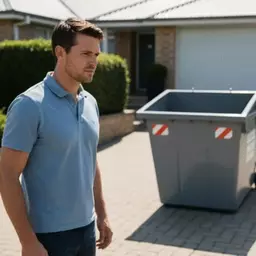 Waste planning should start before the first wall comes down. A well staged commercial demolition me
Demolition Melbourne: Professional & Reliable Services
![]() Preparing a block of land for a new build or major renovation is a significant step. It requires a c
Preparing a block of land for a new build or major renovation is a significant step. It requires a c
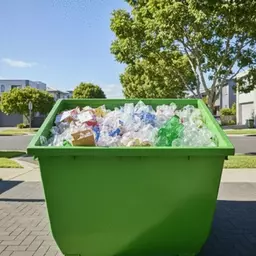 Preparing a block of land for a new build or major renovation is a significant step. It requires a c
Sustainable Waste Solutions in Melbourne
![Eco-Friendly Waste Disposal Options in Melbourne: A Guide to Sustainable Skip Bin Solutions]() What if your waste disposal choices could significantly impact the environment? In a city like Melbo
What if your waste disposal choices could significantly impact the environment? In a city like Melbo
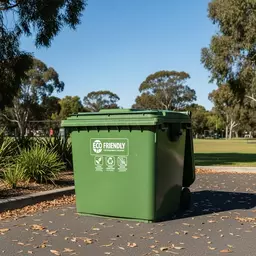 What if your waste disposal choices could significantly impact the environment? In a city like Melbo
