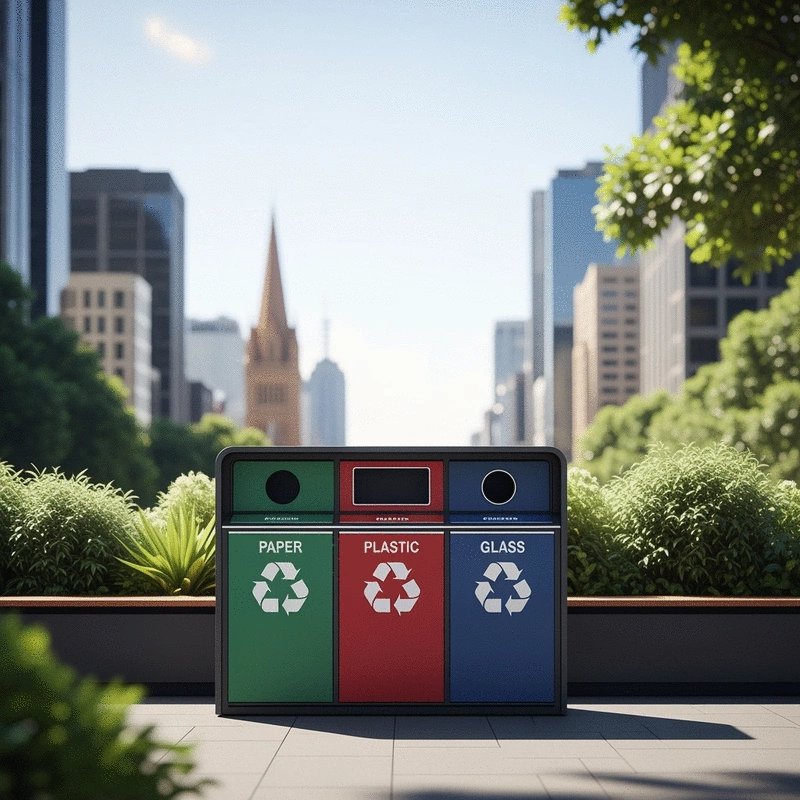
What Can Be Recycled
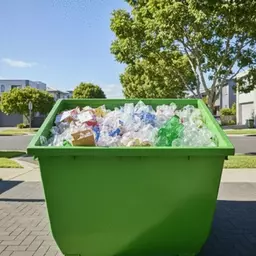
- ✓ Paper & Cardboard
- ✓ Glass Bottles
- ✓ Plastic Containers (PET, HDPE)
Did you know that understanding the recycling process can significantly reduce waste and improve environmental health? As Melbourne strives for a greener future, here are some key insights that will empower you to make informed recycling choices.
This visual breaks down what can and cannot be recycled in Melbourne, the impact of contamination, and the city's ambitious recycling goals.
When non-recyclable items enter the stream, they can ruin entire batches of recyclables, diverting them to landfills. Keep items clean and free from food residue.
Goal to significantly reduce landfill waste and improve community engagement.
Recycling is a vital part of making Melbourne a greener city! By understanding what can and cannot be recycled, we can all contribute to better waste management and reduce our environmental impact. Here’s a breakdown of the key concepts to help you navigate recycling in our beautiful city.
In Melbourne, it’s essential to know which materials are suitable for recycling. Here’s a handy list to guide you:
By following these guidelines, we can help keep recycling facilities running smoothly and ensure that more waste is diverted from landfills!
Have you ever heard about the concept of contamination in recycling? It’s a big deal! When non-recyclable items, like food waste or plastic bags, end up in recycling bins, they can contaminate the entire batch. This can lead to more waste being sent to landfills instead of being recycled.
To keep our recycling efforts effective, always ensure your recyclables are clean and free from food residues. A little extra effort can go a long way in protecting our environment!
Recycling symbols can feel confusing at times! They help us identify what materials can be recycled. Here’s a simple breakdown:
Understanding these symbols empowers us to make informed choices about what we toss in our recycling bins!
Commingled recycling is a convenient system that allows residents to place multiple recyclable materials in one bin. This system makes it easier for everyone to participate in recycling efforts. Here’s why commingled recycling is important:
At Skip Bins Melbourne, we believe that making recycling accessible is key to a sustainable future. By embracing systems like commingled recycling, we can significantly reduce waste and improve recycling rates in our community!
Did you know? Properly cleaning your recyclables can significantly reduce contamination rates. Rinsing out containers and removing labels can make a big difference in ensuring your materials are recycled effectively. A little extra effort in preparation leads to a greener Melbourne!
As we move towards a greener future, understanding how to take action in our daily lives is crucial. Implementing practical recycling tips can significantly impact our community and environment. Here are some key takeaways to help you get started:
By following these tips, you can play a part in the recycling movement, contributing to a cleaner Melbourne. Together, we can make a lasting change!
To achieve a sustainable Melbourne, it’s essential to understand our waste reduction targets. The city has set ambitious goals to minimize waste and increase recycling rates. For instance, the aim is to achieve a greater than 80% recycling rate by 2030, as outlined in the Victorian government's Strategic Plan 2023-2026. This involves:
By being aware of these targets, we can better align our actions with the city's vision and encourage others to join in! At Skip Bins Melbourne, we believe that education and awareness are key components in achieving these goals.
If you're eager to contribute to our mission of a cleaner and greener Melbourne, there are plenty of resources available. Here are some great ways to get involved:
Taking advantage of these resources can help you stay informed and engaged in the recycling movement. Remember, every little action counts!
Now is the perfect time to take action! Start implementing the recycling tips we discussed and make a habit of reducing waste in your daily life. Begin by assessing your current waste management practices and see where you can improve. Every step towards sustainability makes a difference!
Feel free to reach out to us at Skip Bins Melbourne if you have any questions or need guidance on waste management solutions. We’re here to help you every step of the way!
Lastly, consider engaging with local environmental groups and initiatives. They often run programs that aim to educate and involve the community in sustainable practices. Here’s how you can connect:
By participating in these activities, you not only contribute to a cleaner environment but also foster a sense of community. Let’s work together to make Melbourne a sustainable and thriving city!
Here is a quick recap of the important points discussed in the article:
A: The main recyclable items in Melbourne include paper, cardboard, glass bottles, and specific plastic containers such as PET and HDPE.
A: Keeping recyclables clean and free from food residue is crucial because contamination can ruin entire batches of recyclables, diverting them to landfills instead of being processed effectively.
A: You can identify recyclable plastics by looking for the triangle symbol with a number inside (1 through 7). Always check local guidelines as recycling rules can vary.
A: Commingled recycling is a system that allows residents to place multiple types of recyclable materials (like paper, glass, and plastic) into a single bin, making recycling more convenient and encouraging participation.
A: Melbourne aims to achieve a recycling rate of greater than 80% by 2030, as part of its efforts to significantly reduce landfill waste and improve community engagement in recycling.
Samantha Greaves is an expert in waste management solutions, dedicated to helping residents and businesses in Melbourne find efficient and eco-friendly ways to manage their waste. With a passion for sustainability and a wealth of knowledge in the rubbish removal industry, Samantha provides valuable insights and practical advice on skip bin services, recycling, and responsible disposal methods.