Understanding Skip Bin Capacities
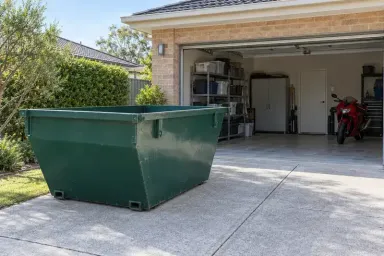
Choosing the correct skip bin size prevents overcharges and ensures efficient waste management. Below, see how different bin sizes compare.
Understanding the significance of choosing the right skip bin size can make all the difference in managing your waste efficiently and cost-effectively. It’s about more than just selecting a container; it’s about optimizing your project for success!
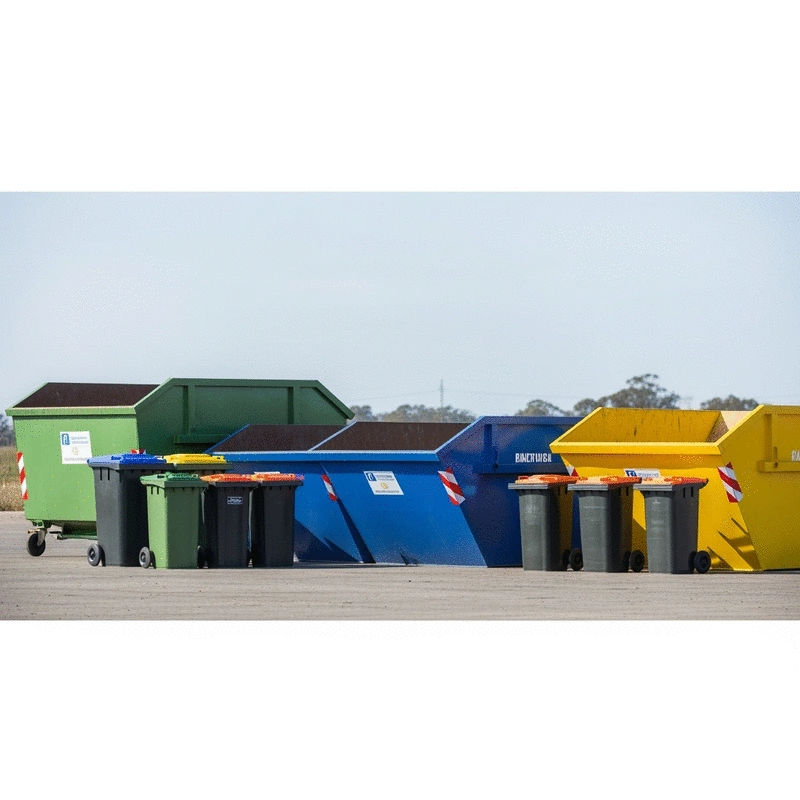
This visual guide helps you understand the different skip bin capacities by comparing their cubic metre volume to the equivalent number of standard wheelie bins.
Choosing the correct skip bin size prevents overcharges and ensures efficient waste management. Below, see how different bin sizes compare.
Ideal for minor clean-ups like garden waste or small household decluttering.
Suitable for general home renovations, larger garden clear-outs, or general waste.
Good for significant construction debris or bulky household clear-outs.
Ideal for major construction sites, commercial clear-outs, or extensive renovations.
Choosing the right skip bin size is crucial for any project. If you select a bin that's too small, you may end up with an extra trip to the waste facility, which can add unnecessary costs. On the flip side, opting for a bin that's too large may lead to paying for unused space. At Skip Bins Melbourne, we understand that matching the bin size to your project scope is essential for both efficiency and budget management!
Let’s explore why this matters. From small home decluttering to large-scale renovations, accurately assessing your waste needs helps avoid unexpected expenses and ensures a smoother process. Ultimately, it’s about making waste management simple and effective for everyone!
As Budget Waste highlights, selecting the correct skip bin size is paramount for several reasons:
By considering these factors, you can streamline your waste disposal process. A little planning goes a long way!
To find the right skip bin size, start by evaluating your project type. Are you tackling a home renovation, a garden clean-up, or maybe a construction job? Each of these projects generates different types and amounts of waste. For example, garden waste is often bulkier, while renovation debris can be denser.
By assessing the type of project you're undertaking, you can better estimate the amount of waste you'll generate. The experts at 4 Waste Removals agree that accurately assessing your waste volume is key. Remember, Skip Bins Melbourne is here to help you every step of the way, ensuring you choose the best option for your needs!
To help you visualize your options, here’s a handy comparison table that outlines various skip bin sizes, their cubic metre capacities, and the equivalent number of wheelie bins:
| Skip Bin Size (Cubic Metres) | Wheelie Bin Equivalent |
|---|---|
| 2-3m³ | 8-12 |
| 4-6m³ | 16-24 |
| 8m³ | 32 |
| 10-12m³ | 40-48 |
This breakdown allows you to make an informed decision based on your specific needs. Don't hesitate to reach out for assistance in determining which size is right for your project!
Different types of waste require different bin sizes. For instance, green waste is often lighter and bulkier, while general waste can be compact and heavier. Heavy construction debris, like concrete, needs a larger capacity due to its density.
Identifying the type of waste not only helps in choosing the right size but also ensures that disposal is efficient and eco-friendly!
Finally, let’s discuss bin dimensions and how to measure volume accurately. Knowing the dimensions of your skip bin helps you assess whether it will fit in your desired location, such as a driveway or yard. Additionally, understanding volume measurement ensures you select a bin that accommodates your waste without exceeding capacity. As Eco Skip Bins Brisbane advises, checking bin dimensions ensures proper placement and safe loading.
Taking the time to understand these factors can save you time and frustration down the line. At Skip Bins Melbourne, we’re dedicated to making waste management easier for you!
The most important factor is accurately assessing your waste volume and project type to avoid overcharges or multiple trips.
Consider the type of project (e.g., home renovation, garden clean-up, construction) and the materials you'll be disposing of. Our visual guide and comparison table can help you match cubic meters to wheelie bin equivalents.
Selecting the right size prevents you from paying for unused capacity if the bin is too large, and avoids additional costs from having to order another bin or make extra trips if the first bin is too small.
Different waste types (e.g., green waste, general waste, construction waste) have varying densities and bulk. Green waste is often lighter and bulkier, general waste can be compact, and construction waste is typically heavy. This influences the recommended bin size.
Understanding the length, width, and height of a skip bin helps you determine if it will fit safely and conveniently in your desired location, such as a driveway or yard. Also, check local regulations for placement.
What factors do you consider most important when choosing a skip bin size? Share your thoughts below:
Choosing the right skip bin size is essential for your project’s success. It’s not just about clearing space; it's about ensuring you’re selecting a bin that accommodates your specific waste volume while keeping costs manageable. Remember, choosing a bin too small can lead to multiple trips and increased fees, while one that's too large might mean you’re paying for space you don’t need!
Here are some key takeaways to consider when selecting a skip bin:
By keeping these points in mind, you’ll be well on your way to making informed decisions about your skip bin hire, ultimately leading to a smoother waste removal process!
Now that you have a solid understanding of skip bin sizes, it’s time to take action! I encourage you to reach out for quotes from local providers, including us at Skip Bins Melbourne. We pride ourselves on offering tailored solutions that fit your unique needs.
Here are a few steps to help you move forward:
By taking these next steps, you’ll not only ensure a seamless waste removal experience but also contribute to a cleaner environment!
When it comes to selecting a skip bin company, doing your homework is crucial. After all, you want a provider that aligns with your values and can meet your project needs efficiently. Here are some tips on how to choose reliable skip bin companies:
By keeping these criteria in mind, you’ll be able to select a skip bin provider that not only delivers excellent service but also supports your goals for a cleaner, greener Melbourne!
Here is a quick recap of the important points discussed in the article:
Samantha Greaves is an expert in waste management solutions, dedicated to helping residents and businesses in Melbourne find efficient and eco-friendly ways to manage their waste. With a passion for sustainability and a wealth of knowledge in the rubbish removal industry, Samantha provides valuable insights and practical advice on skip bin services, recycling, and responsible disposal methods.