How to Manage Waste Removal During a Commercial Demolition in Melbourne

Waste planning should start before the first wall comes down. A well staged commercial demolition melbourne project separates concrete, steel, timber, plasterboard, glass, fixtures, soil, and general debris before trucks arrive. That early sorting keeps skip bins moving, reduces contamination, and gives site managers a cleaner way to control cost, access, and compliance.
Start With A Waste Map Before Demolition Begins
A demolition waste map lists each expected material stream, where it will be stored, and how often it will leave the site. This is more useful than a generic clean-up plan because commercial sites often contain multiple tenancy fit-outs, services, partitions, ceiling grids, cabinetry, glazing, and redundant plant.
For a Melbourne shop, warehouse, office, or hospitality strip-out, the first waste map should separate heavy inert material from light mixed waste. Concrete, bricks, tiles, and masonry usually need different handling from carpet, insulation, packaging, plasterboard, and timber. Metal should be isolated early because clean steel, copper, aluminium, and cable can be recycled more easily when it is not buried under mixed debris.
Unlimited Access Bins readers should also think about access. A bin that is technically large enough can still slow a site if it blocks loading zones, roller doors, shared driveways, or pedestrian paths. Measure driveway width, turning space, overhead wires, trees, awnings, and street parking before choosing bin sizes.
Match Bin Size To The Stage Of Work
Commercial demolition rarely produces one steady waste stream. The first stage may generate fixtures, furniture, carpet, ceiling tiles, and light rubbish. The next stage may generate bricks, concrete, steel framing, glazing, and service offcuts. A final clean may produce dust, packaging, small debris, and contaminated sweepings.
That staged pattern matters. A single oversized mixed-waste bin can become expensive if recyclable loads are buried under general debris. Several smaller bins can work better when access is tight or when the site needs separate areas for masonry, steel, timber, and non-recyclable material.
If the site sits in a busy Melbourne retail strip, a bin changeover schedule can be as important as bin capacity. Arrange collection windows around loading restrictions, body corporate rules, school traffic, bus stops, and neighbouring trade deliveries. Poor timing creates bottlenecks that cost more than the bin hire itself.
● Use heavier-duty bins for concrete, brick, tiles, and soil because dense loads reach weight limits quickly.
● Keep plasterboard dry and separate where possible, since wet plasterboard contaminates other waste.
● Separate metal early so recyclable material is not lost in mixed demolition debris.
● Plan a final light-waste bin for packaging, sweepings, and small offcuts after the heavy work ends.
Control Dust, Run-Off, And Escaped Waste
Demolition waste management is also an environmental control task. EPA Victoria published guidance in 2026 warning builders that escaped waste can create enforcement risk when sediment, litter, or building material leaves a site. That applies to demolition work as much as new construction.
The controls are practical. Use covered bins when light material can blow away. Keep stockpiles away from stormwater pits. Sweep hardstands before rain. Place absorbent material near machinery that may leak hydraulic oil or fuel. Train workers to report broken bags, split packaging, and loose insulation before it spreads.
Commercial sites often sit beside operating shops, offices, apartments, or public footpaths. A tidy waste zone protects those neighbours from dust, nails, glass fragments, trip hazards, and truck movements. It also helps the demolition contractor prove that waste is being handled in a planned way.
Check For Hazardous Or Regulated Materials
Older Melbourne buildings may contain asbestos, lead paint, synthetic mineral fibre, treated timber, contaminated soil, fluorescent tubes, fire-rated boards, oils, chemicals, and redundant electrical components. These items should not be thrown into a general skip.
WorkSafe Victoria demolition guidance was reviewed in 2026 and continues to treat demolition as high-risk construction work. That means duty holders need clear planning, safe work methods, site isolation, and competent handling of hazards. If asbestos is possible, the site needs the right assessment and licensed removal before general demolition waste is loaded.
Bin hire planning should reflect these risks. Keep a quarantine area for suspected hazardous material. Label restricted zones. Do not let mixed-waste bins become a hiding place for banned loads. One wrong load can delay collection, trigger extra disposal costs, and create a compliance problem for everyone involved.
Use Recycling Targets To Reduce Disposal Costs
Clean separation gives site managers more options. Concrete and brick can often be processed into recycled aggregate. Metals can go to scrap streams. Untreated timber may be reused, mulched, or processed depending on condition. Fixtures, shelving, doors, and commercial kitchen items may have salvage value if removed before destructive work starts.
A simple salvage walk-through before demolition can identify items that deserve careful removal. Look for stainless benches, cool-room panels, office partitions, racking, hardwood flooring, intact windows, air-conditioning components, and electrical cable. Photograph them, tag them, and remove them before machines begin heavy work.
Waste reporting also helps. Keep receipts, weighbridge dockets, recycling records, and disposal details in one folder. Those records support project handover, tenant reporting, sustainability claims, and disputes about what happened on site.
Build A Practical Waste Removal Checklist
A useful checklist is short enough to use on site. It should cover bin placement, access, material separation, hazardous waste rules, collection timing, stormwater controls, and final clean-up. Assign one person to update it each day.
Before work starts, confirm council parking or road occupation rules if bins sit outside private property. Mark pedestrian exclusion areas. Tell neighbouring tenants when noisy loading or bin exchanges will happen. Check whether after-hours collections are needed for CBD, laneway, or high-traffic sites.
During work, inspect bins at the end of each shift. Remove contamination while it is still visible. Photograph full bins before collection when the load type matters. After work, compare disposal records against the original waste map and note what should change on the next project.
Avoid The Waste Mistakes That Slow Commercial Sites
The most common waste mistake is loading too early without a separation plan. Once plasterboard, carpet, metal, concrete, food waste, and broken fixtures are crushed together, the load becomes harder to recycle and more expensive to manage.
The second mistake is ignoring weight. A bin that looks half empty can still exceed limits when it contains brick, tiles, soil, or concrete. Weight checks matter because overloaded bins can be refused, delayed, or require repacking before transport.
The third mistake is treating the bin zone as spare storage. Stockpiling tools, pallets, fixtures, and temporary fencing around bins blocks driver access. Keep the bin path clear enough for safe pickup even when trades are busy.
Questions To Ask Before Booking Bins
Ask the bin provider what materials are allowed, what materials are excluded, and which loads need separate bins. Get that answer before the demolition crew starts, because workers make faster decisions when the sorting rules are simple.
Ask how the provider handles heavy material. Dense loads may need strict fill lines, smaller bins, or separate concrete disposal. The cheapest bin on the quote can become expensive when a load exceeds weight rules.
Ask about access requirements. Confirm truck clearance, surface strength, turning space, overhead height, gate width, and safe loading position. A bin placed one metre too far from the work zone can waste labour across the whole job.
Ask what records will be supplied after collection. Disposal receipts, recycling notes, and load descriptions help owners and builders show what happened to commercial demolition waste after it left the site.
Conclusion
Waste removal during commercial demolition works best when it is planned as part of the job, not treated as a clean-up afterthought. The right bin sizes, collection timing, material separation, and hazard controls make the site cleaner and reduce preventable delays.
For Unlimited Access Bins readers, the main lesson is simple: match each bin to the demolition stage and keep recyclable material clean from the start. That is how a busy Melbourne site stays organised while walls, floors, fixtures, and heavy debris are removed.
Quick Pre-Start Checklist
Before the first contractor arrives, the project owner should turn the article's advice into a short site checklist. The checklist does not need to be complex, but it should name the person responsible for each decision so nothing sits between trades.
Review the checklist during the site induction and again when the work changes stage. Demolition, clearing, machinery movement, waste handling, and pest control all create new risks as conditions change.
Keep one named site contact responsible for updates, because small discoveries can quickly affect access, timing, neighbours, waste handling, equipment choice, and final handover. Record every change before the next crew starts work.
● Confirm the exact work scope, exclusions, and required handover condition.
● Check permits, service isolation, access limits, neighbour impacts, and public protection.
● Mark retained structures, trees, services, drains, fences, and no-go zones before work starts.
● Separate waste streams early and keep disposal, recycling, and treatment records together.
● Photograph key conditions before, during, and after work so decisions are traceable.
Frequently Asked Questions
What size skip bin is best for commercial demolition waste?
The best size depends on access, material weight, and the demolition stage. Dense waste like concrete and brick can reach weight limits quickly, so several smaller heavy-waste bins may work better than one large mixed bin.
Can all demolition waste go in one bin?
No. Hazardous material, asbestos, contaminated soil, chemicals, and some electrical waste need separate handling. Clean concrete, metal, timber, and mixed light waste should also be separated where practical.
When should bin hire be booked for a demolition job?
Book bins before demolition starts, after the waste streams and access points are mapped. Collection windows should match the work stages so full bins do not block loading areas or slow trades.
Works Cited
Environment Protection Authority Victoria. "Escaped Waste Can Cost Builders." EPA Victoria, 21 Apr. 2026, https://www.epa.vic.gov.au/about-epa/news-media-and-updates/news-and-updates/escaped-waste-can-cost-builders.
WorkSafe Victoria. "Demolition." WorkSafe Victoria, reviewed 2026, https://www.worksafe.vic.gov.au/demolition.
WorkSafe Victoria. "Construction." WorkSafe Victoria, reviewed 28 Sept. 2025, https://www.worksafe.vic.gov.au/construction.
Department of Energy, Environment and Climate Action Victoria. "Guidelines for the Removal, Destruction or Lopping of Native Vegetation." Victorian Government, 2026, https://www.environment.vic.gov.au/native-vegetation.
Sustainability Victoria. "Circular Economy Opportunities for Victoria." Sustainability Victoria, 2025, https://www.sustainability.vic.gov.au/

Samantha Greaves
Samantha Greaves is an expert in waste management solutions, dedicated to helping residents and businesses in Melbourne find efficient and eco-friendly ways to manage their waste. With a passion for sustainability and a wealth of knowledge in the rubbish removal industry, Samantha provides valuable insights and practical advice on skip bin services, recycling, and responsible disposal methods.
Popular Posts
How to Manage Waste Removal During a Commercial Demolition in Melbourne
![]() Waste planning should start before the first wall comes down. A well staged commercial demolition me
Waste planning should start before the first wall comes down. A well staged commercial demolition me
 Waste planning should start before the first wall comes down. A well staged commercial demolition me
Demolition Melbourne: Professional & Reliable Services
![]() Preparing a block of land for a new build or major renovation is a significant step. It requires a c
Preparing a block of land for a new build or major renovation is a significant step. It requires a c
 Preparing a block of land for a new build or major renovation is a significant step. It requires a c
Sustainable Waste Solutions in Melbourne
![Eco-Friendly Waste Disposal Options in Melbourne: A Guide to Sustainable Skip Bin Solutions]() What if your waste disposal choices could significantly impact the environment? In a city like Melbo
What if your waste disposal choices could significantly impact the environment? In a city like Melbo
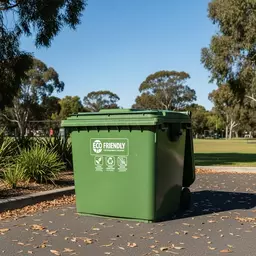 What if your waste disposal choices could significantly impact the environment? In a city like Melbo
Skip Bins in Melbourne: A Guide
![Where to Hire Skip Bins in Melbourne: Comparing Top Providers and Services]() Are you tired of dealing with clutter but unsure how to tackle the mess? Discover the transformative
Are you tired of dealing with clutter but unsure how to tackle the mess? Discover the transformative
 Are you tired of dealing with clutter but unsure how to tackle the mess? Discover the transformative
