How to Declutter Before Selling Your Melbourne Home: A Clear-Out Plan for Staging Day

To declutter before selling, remove what a buyer does not need to see and sort the rest by where it goes next. Start with personal items, excess furniture and the overflow in your garage. Then decide what to keep, donate, sell, recycle or put in a skip bin.
Do this before any stylist visits and before a photographer books a day. Clear floors and bare surfaces show the room instead of the belongings in it. A decluttered home also lets a stylist plan the layout from the real floor space. The steps below run from the first box to the last bin collection.
Why should you declutter before staging?
Staging works on the room, not on the contents. A stylist needs to see the walls, windows, floor area and doorways. Excess furniture and full shelves hide all four.
A clear-out does three jobs. It shows the true size of each room. It removes personal detail, so buyers can picture their own life in the space. It also gives the stylist a short list of existing pieces worth keeping.
The order matters. Clearing comes first, then cleaning, then styling, then photography. If you style first and clear later, the stylist works around items that will leave anyway. If you clear in the final days, the bin, the van and the cleaners all collide with the installation.
Photos add another reason. Most buyers see a home online before they see it in person. A crowded room reads smaller on a screen. A shelf full of small objects pulls the eye away from the room. A clear room photographs plainly, and that is what the listing needs.
Some homes receive a full set of furniture. Others keep a few of the owner's pieces. Both start with the same clear-out. Allow several weeks. A house with a full garage and a packed spare room needs more time than a tidy apartment.
What should you remove first?
Work from the most personal items to the bulkiest, then to the overflow. Take one room at a time and finish it before you move on.
- Personal items. Pack family photos, school certificates, children's art, name signs and fridge magnets. Buyers should see a home, not a stranger's life.
- Excess furniture. Remove duplicate chairs, spare side tables, a desk in a bedroom and anything that blocks a doorway or a window. A room with fewer pieces reads larger.
- Bulky items. Exercise equipment, old cots, unused prams and spare mattresses take floor space and hold attention.
- Benches and bathrooms. Clear small appliances, toiletries, towels and cleaning products. Leave benches nearly bare.
- Wardrobes and shelves. Buyers open wardrobes. Pack out at least half of each one so the space looks usable.
- Storage overflow. Check the garage, the shed, under the stairs, the balcony and the roof space.
- Entry and outdoor areas. Clear shoes, coats, bikes, toys, pot plants that have died and tools left on the deck. The entry and the front yard set the first impression.
- Pet items. Pack spare bowls, beds and toys, and keep only what daily care needs.
Move through the house in a set order. Start in the room buyers see first, usually the living area. Finish in the spare room or garage, where the leftovers sit. Clearing the visible rooms first also gives you somewhere to stack boxes while you sort the hidden ones.
Keep items that you plan to take to your next home out of the house altogether. Use a storage unit or a relative's spare room. Do not move them to the garage, because buyers and photographers look in garages too. If the garage is the biggest job, our guide to the garage clear-out scope shows how to list contents before you book a bin.
Label every box by room and by destination. A box marked "kitchen, keep" is easier to place than ten unmarked cartons.
What can you donate, sell, recycle or put in the bin?
Sort every item into one of five groups: keep, donate, sell, recycle or bin. Ask one question per item. Will I use this in my next home? If the answer is no, it needs a destination and a date.
Paper first. Sort paperwork before anything else. Keep tax records, warranties, manuals for appliances that stay and the documents your solicitor or conveyancer asks for. Shred old bills and bank statements that show your name and address.
Donate. Furniture, clothing and household goods in good condition suit a charity or a community group. Confirm that the recipient accepts the item and can collect it on your date. A good intention does not count as an arrangement. Ask about condition rules too, because many charities refuse stained or broken goods.
Sell. Online marketplaces work for quality furniture and appliances. Set a cut-off date. An item still unsold on that day goes to donation or the bin. Otherwise the pile never shrinks.
Recycle. Cardboard, glass, metal and clean paper belong in the right kerbside bin or drop-off point. For everyday household materials, our recycling tips for Melbourne residents give useful background.
Hard rubbish. Many Melbourne councils run booked hard rubbish collections. Each council sets its own booking, size and item limits, so read yours before you rely on it. Some councils accept mattresses through that service and some do not.
Bin. Broken furniture, worn carpet offcuts, damaged storage and mixed household waste belong in a skip bin. Keep this pile separate until you know which bin size and which collection date will suit.
What happens once the rooms are clear?
Once the rooms are clear, the home is ready for the next stage. The floors are visible, the walls are bare and the layout is plain to see. Sellers who want furniture and styling brought in can look at home staging Melbourne services that style full or partly furnished homes.
A clear home helps the stylist in practical ways. The stylist can see how doors swing, where light falls and which wall suits the bed or the sofa. Existing pieces that earn their place can stay. Everything else has already gone, so the plan starts from facts and not from guesses.
Clean after the clear-out and before any furniture arrives. Wash walls, patch small marks, clean windows and mop bare floors. Dust settles where furniture used to stand, and it shows once the room is empty.
Agree the list of pieces that stay before the installation day. A stylist may ask to keep your bed or a good armchair. Leave those pieces where they are, and move everything else out.
Sellers who still live in the house have one more task. Decide which rooms hold your daily life and keep those tidy, because inspections can happen at short notice. A stylist can then work on the public rooms first and leave the private ones for last.
What order should the clear-out follow?
Plan backwards from the day the photographer arrives. A three to four week window suits most houses. A small apartment may need less time.
- Walk every room. Decide which items stay, which go and which need an arrangement. Photograph each room as it stands.
- Book the skip bin and any pickups. Confirm bin delivery and donation collection dates before you start lifting. The dates set the pace of the sorting.
- Pack and move the keep boxes. Take stored items off site first. This frees floor space before the heavy work begins.
- Load the bin and clear the bulky items. Start with broken and worn pieces. Move sale and donation items to a set collection point.
- Arrange the bin collection. Do this once the bin is full or the work is done, not before.
- Repair, then clean. Fix loose handles and small marks, then clean every room.
- Style, then photograph. The stylist installs, and the photographer follows.
Leave a buffer of a few days between the last collection and the installation. Collections slip, items turn up late and a final clean takes longer than planned. A buffer protects the photography date. Without one, a single missed pickup can push the whole schedule.
Hypothetical example: a family of four lists a three-bedroom house. They pack personal items in week one and move the keep boxes to a storage unit. The bin arrives in week two, and a charity collects two bookcases the same day. Week three covers repairs and cleaning. The stylist arrives only when the rooms are bare.
How do you choose a skip bin size, placement and permit?
Choose the size after sorting, not before. Gather the bin pile in one place, such as the garage or the driveway. Measure the largest items and list the materials. Then ask the provider which bin suits that load. Our guide to skip bin sizes explains how the options compare.
Judge the load by what you can see, not by the floor area of the room. Wardrobes and shelves are not waste. Equally, a photograph from one angle can hide a second pile.
Placement decides whether you need a permit. Glen Eira City Council says a permit is not required if the bin sits in your driveway or on private land. A bin on any road or council land, including a nature strip, does need one. The skip company applies for it. A bin placed without a permit can attract a fine of up to $1000 in that council area. Rules differ between councils, so check yours.
Council placement rules also refer to the state code of practice for roadside bins. Keep bins clear of drains, hydrants and driveways that neighbours use. Apartment and townhouse residents should ask the building manager or owners corporation about access first.
Write down the permit status, the delivery window and the collection date when you book. If a permit is needed, ask the provider to confirm it is approved before the bin arrives. A bin that sits on the street without approval creates a fine and a delay at the worst time.
Check access before delivery day. Look at gate width, low branches, overhead wires and a sloping driveway. Keep your own car out of the delivery space. Ask what the booking includes, what the hire period is and what the provider will not accept.
Load the bin with care once it arrives. Put flat and heavy items in first and fill the gaps with smaller pieces. Do not stack waste above the walls of the bin. Ask the provider about weight limits, because a full bin of heavy material can exceed them. Keep a clear path from the house to the bin so nobody carries a wardrobe across a lawn.
Which items cannot simply go in the skip bin?
Some items need a separate route, and a bin provider will not accept them. Ask for the accepted list in writing. Never hide a questionable item inside a box.
E-waste. Victoria has banned e-waste from household rubbish and landfill. The Victorian Government defines e-waste as any item with a plug, battery or power cord. Old televisions, computers, kettles and toys with batteries all count. Fridges and other white goods count as well. Take them to an e-waste drop-off point, and ask your council about collection options for large appliances.
Batteries. One Melbourne council's disposal guide says batteries do not belong in any household bin. They can start fires in trucks and at recycling sites. It says a swollen or damaged lithium-ion battery needs an accredited collector, not a standard drop-off point. Check your own council for local sites.
Paint, gas bottles and chemicals. The same guide treats gas bottles as hazardous and points paint to a dedicated recycling program. Garden chemicals, pool chemicals and solvents also need a hazardous waste option. Do not pour them down a drain or tip them into a bin.
Asbestos. Do not touch, cut or break any material you suspect contains asbestos. Ask a licensed professional, and contact EPA Victoria for advice.
If you find an unmarked container, leave it closed. Do not open, smell, drain or burn it. Ask your council which service takes it.
Until disposal day, store hazardous items upright, sealed and out of reach of children and pets. Keep them away from heat, sunlight and food. Do not leave them in the garage corner that the stylist or photographer will open. Move them to a locked shed or a safe spot outside the main rooms. Book the drop-off before the installation date.
What should you keep out during the clear-out?
Keep a small box of daily items so the house still works while you clear it. Pack a week of clothes, toiletries, chargers, medication, pet supplies and work papers. Store the box in a wardrobe or the car boot.
This box also helps during inspections. A home on the market needs a quick reset before each visit. Beds made, benches clear, bins empty and the daily box out of sight make that reset short.
Do not declutter essentials such as first aid supplies, important papers, passports and emergency items. Put those in a labelled folder or crate that stays with you.
Families need a second box for the children. Keep a few favourite toys, school bags and uniforms in a bedroom basket. Rotate toys out of storage rather than back onto the floor. Pet owners can keep one bed and one bowl set in a laundry or a corner of the garage. Small habits like these stop clutter from creeping back before the photographer arrives.
Conclusion
A decluttered home gives every later step a clear starting point. The clear-out removes personal items and excess furniture, sorts belongings by destination and settles the skip bin before the stylist arrives. Council rules, e-waste limits and hazardous items shape what can leave and how. A plan built backwards from photography day keeps the work calm and the rooms ready.

Samantha Greaves
Samantha Greaves is an expert in waste management solutions, dedicated to helping residents and businesses in Melbourne find efficient and eco-friendly ways to manage their waste. With a passion for sustainability and a wealth of knowledge in the rubbish removal industry, Samantha provides valuable insights and practical advice on skip bin services, recycling, and responsible disposal methods.
Popular Posts
How to Declutter Before Selling Your Melbourne Home: A Clear-Out Plan for Staging Day
![Orange skip bin used for a home clear-out]() To declutter before selling, remove what a buyer does not need to see and sort the rest by where it
 To declutter before selling, remove what a buyer does not need to see and sort the rest by where it
Garage Clear-Out Scope: What to Tell a Skip Bin Provider
![Empty green skip bin on a suburban driveway beside an open garage with storage shelves and a red motorcycle parked separately]() A garage clear-out scope describes the items you want removed, the arrangements already made and the
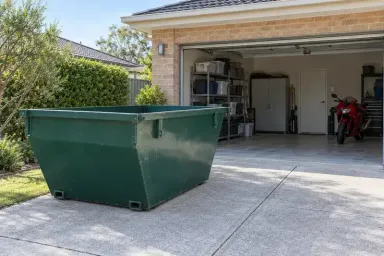 A garage clear-out scope describes the items you want removed, the arrangements already made and the
How to Manage Waste Removal During a Commercial Demolition in Melbourne
![]() Waste planning should start before the first wall comes down. A well staged commercial demolition me
 Waste planning should start before the first wall comes down. A well staged commercial demolition me
Demolition Melbourne: Professional & Reliable Services
![]() Preparing a block of land for a new build or major renovation is a significant step. It requires a c
 Preparing a block of land for a new build or major renovation is a significant step. It requires a c
